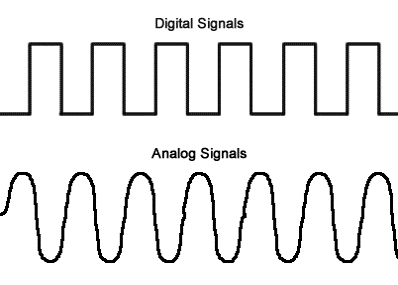
Digital Signalling Methods
The digital method are series of pulses that consist of having on and off settings, which are 1's or 0's (1 representing on and 0 representing off). With digital signals, noise can also add extra random information to the digital signals. There is also analogue, where the line is more wavy and does have settings in-between the 1's and the 0's.
Representing Data Electronically
Bits - A bit is short for Binary Digit and this is the smallest unit of data on a computer. A bit has a single value, which is either 1 or 0.
Bytes - A byte is short for Binary Term, which is a unit of storage that is capable of holding a single character (any symbol that requires one byte of storage).
Packet Structures - The packet structure has three main parts and they are known as the header (contains instructions about the data), the payload (delivers the packet to the destination) and the trailer (where it contains a couple of bits)
Synchronous Transmission
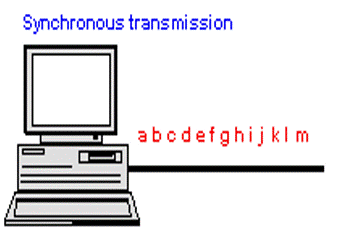
This is a data transfer method, where a continuous stream of signals that are accompanied by timing signals (this is generated by an electronic clock). This is to ensure that the transmitter and the receiver are synchronized.
Asynchronous Transmission
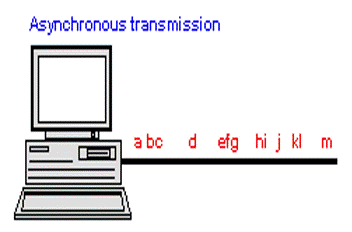
This is yet another data transfer method, that signals are sent in spurts and are spaced at varying time intervals. There will be an example from the previous transmission, which was the synchronous transmission and next to it, there will be the asynchronous transmission.
Error Detection
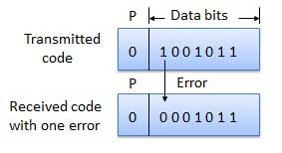
This technique is used to detect noise or other impairments that are introduced into the data whilst being transmitted. The error detection does minimize possible uncertainties passing incorrect frames to the destination.
Error Correction
This is a process where the computer can easily spot and correct any errors within data. As data can easily be corrupted if you haven't saved it right or if it was hacked, then the computer would have to remove the errors within your data and therefore make sure that everything is in it's proper order to carry it on to it's destination.
What is Bandwidth?
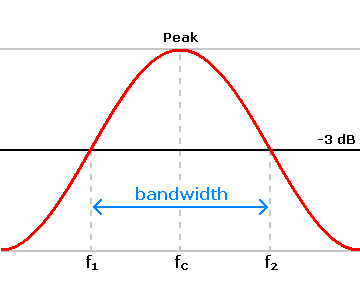
Bandwidth measures how much data can be transferred along a communication channel. This can also effect the amount of data that can transmitted within a fixed amount of time. And the bandwidth is mostly important for devices that turn on and off like a fast disk drive.
Bandwidth Limitation
This is when you need to download a 10 Gigabyte file and that your location can only have 56K modem. If loads of people used the modem at the same time, it will become slower and slower. The download does become slow and other methods are to be preferred.
Bandwidth Noise
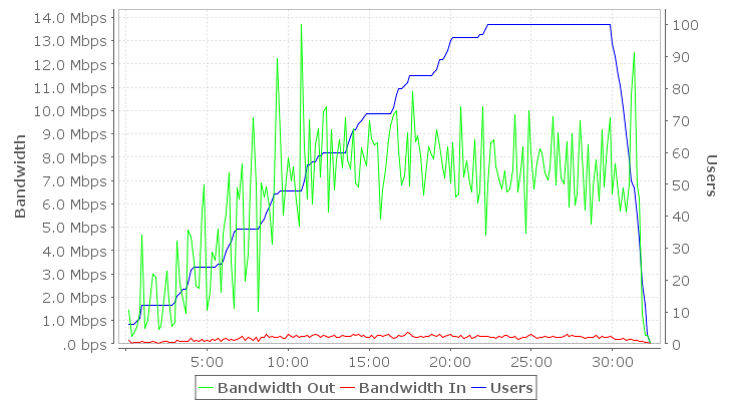
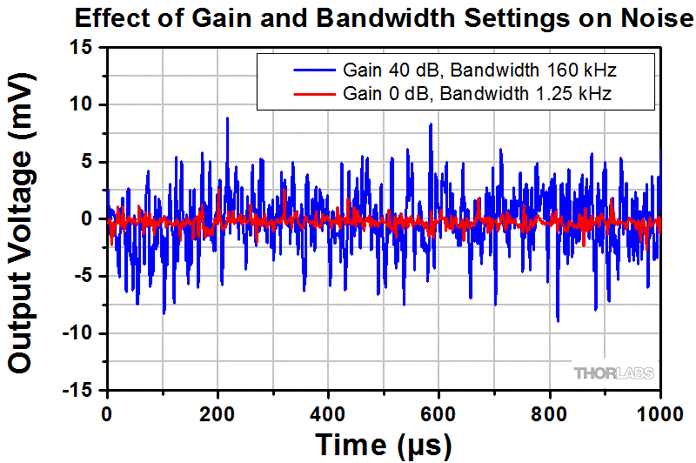
Bandwidth noise is a signal that uses noise on an hour to hour basis. Not only is it effected by the speed of your network. Hot weather could also effect it and even wet weather could effect it.
Channel Types
Telephone - A telephone is a form of communication that permits conversations to be carried out between two people.

High Frequency (HF) Radio - Means of communication in which a radio wave signal can be transmitted from one point then reflected back down to a different point on Earth.
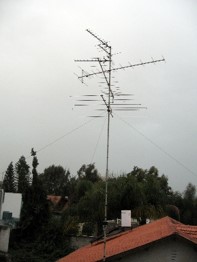
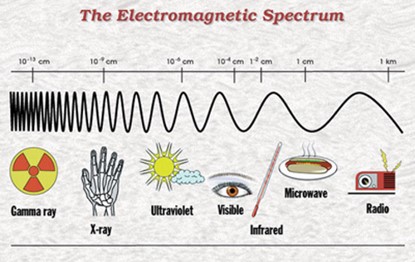
Microwave - This refers to electromagnetic energy that has a frequency that is higher than 1 Gigahertz (billions of cycles per second).
Satellite - This is how we get our weather predictions and our news from across the world.

Bandwidth
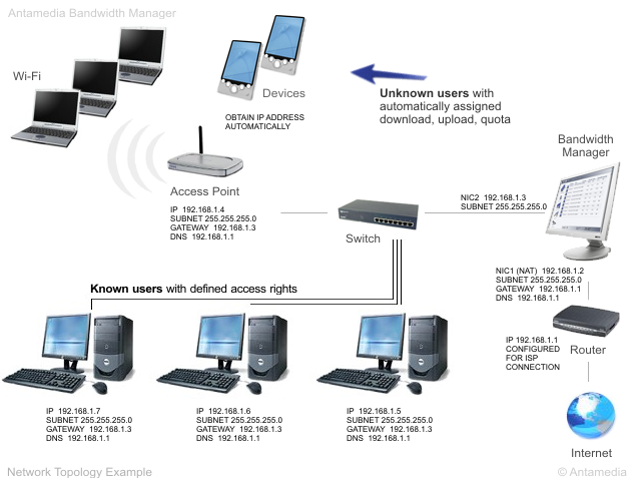
Bandwidth is the Bit-Rate of available or consumed information and there are other characteristics of bandwidth and they are Network Bandwidth, Data Bandwidth and Digital Bandwidth. Bandwidth is a mixture of signal processing, using wireless communications, helping with modem data transmissions, helping with digital communications and electronics.
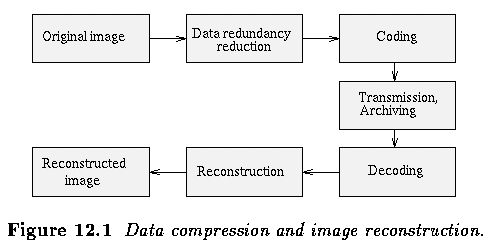
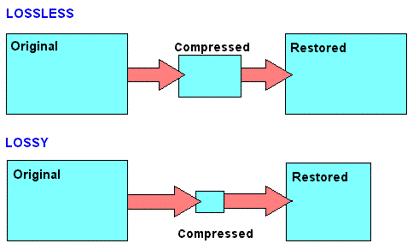
Data Compression
This is basically storing your data in a format that will help you in terms of saving every thing else like this and making sure there is enough room on your disk drive to store multiple sets of data.